TSUGU minä perhonen
July 4 (Sat.), 2026 – September 6 (Sun.), 2026
Since its founding, the minä perhonen brand has created designs that have become a part of everyday life and continue to enrich it, grounded as they are in a commitment to close relations with artisans and their crafts. The title of this exhibition, TSUGU, is a word with multiple meanings in Japanese, including "to inherit," "to connect," "to follow," and "to tell," that embody the key elements of this handwork-centered approach to design. Through displays of apparel and other products, as well as original textiles and drawings, we explore the work and thought that are setting the stage for the next hundred years of minä perhonen's achievements.
Sections
chorus
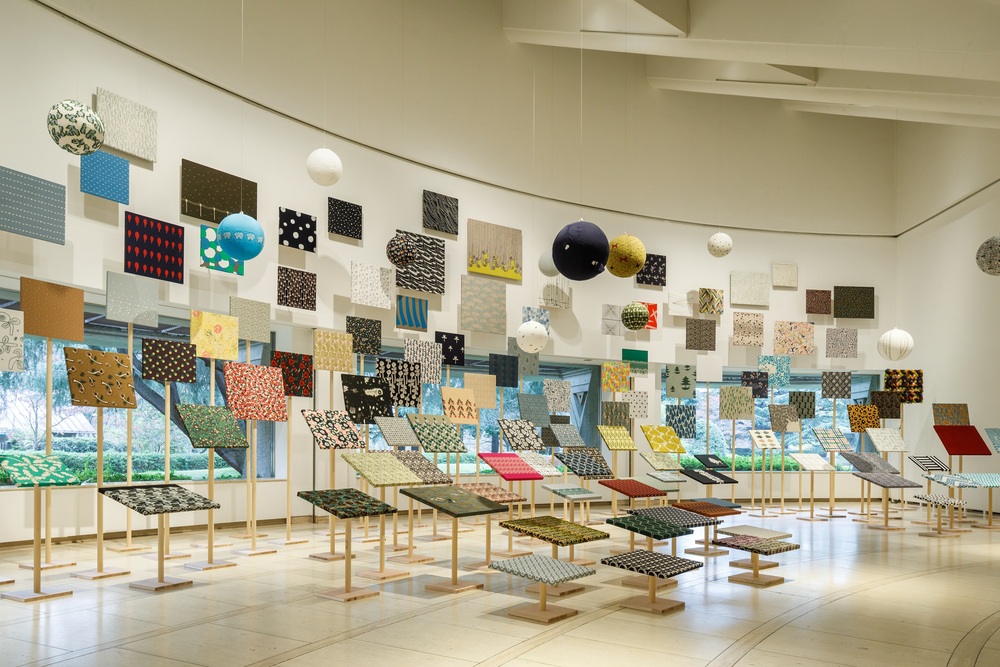
Since its inception as a brand in 1995, minä perhonen has consistently pursued an approach of creating garments not from form but from fabric. To date, the brand has designed approximately 1,000 distinct textile patterns.
Here, approximately 180 textiles are displayed under themes focusing on shared motifs like flowers and birds, or design inspirations such as geometry and prism. Among them, you may notice how ideas evolve from one pattern to another, and then to the next, showing how designs branch out. Through changes in materials and innovations in technique, a single design transcends a single season, evolving over time and being passed down, gradually transforming its form. Like a chorus divided into parts, textiles that allow each individuality to blossom resonate together, shaping the world of minä perhonen.
score
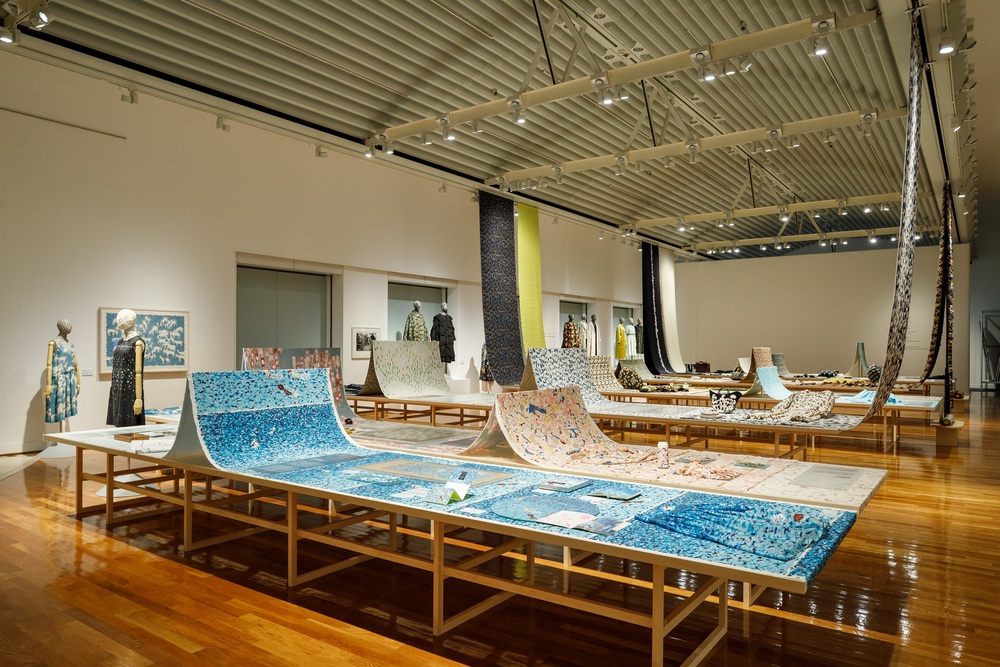
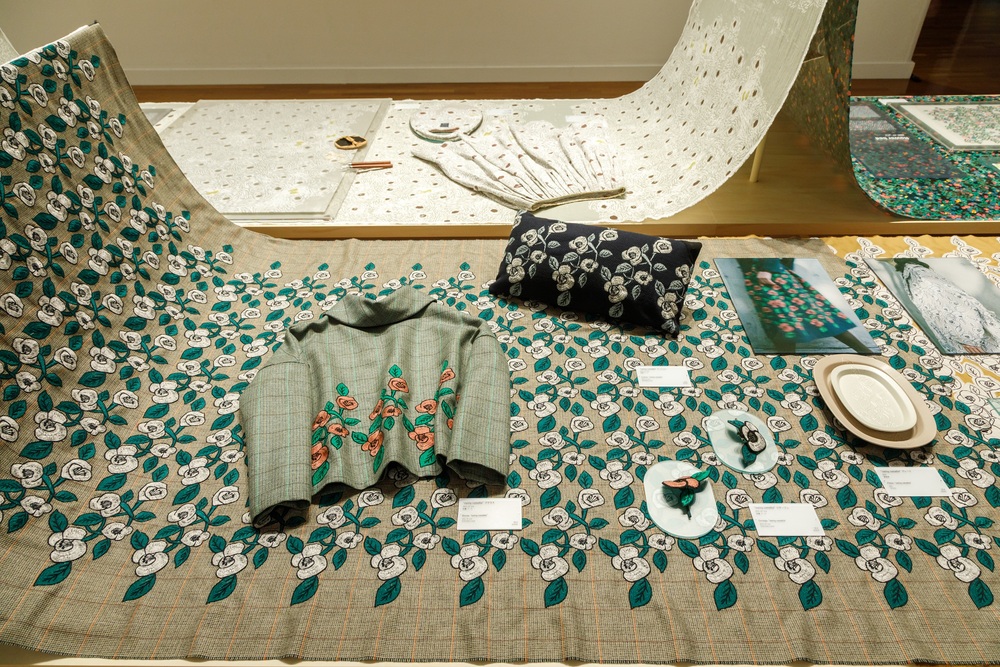
Minä perhonen is a brand that begins its craftsmanship with textiles. Each textile creation starts with the designer’s concept and sketches. The design is refined through repeated prototyping, passing through many hands and processes before reaching production. Only then do various garments, fashion items, and tools that enrich daily life begin to emerge.
Here, we introduce the origins of minä perhonen’s 21 pattern designs and the process by which various items emerge from each textile. Each one carries a distinct theme and story. If we liken the flow where an idea becomes a pattern, meets materials, and takes shape to the score of a piece of music where a theme is presented and developed, it seems as if every trace of trial and error becomes notes and rhythms, played by an orchestra.
humming
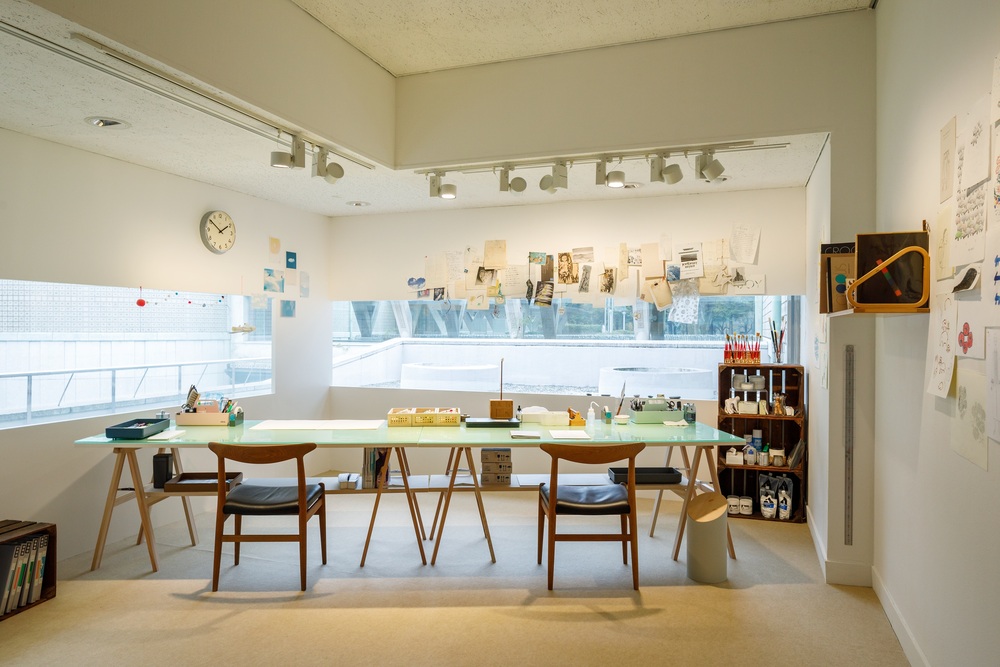
At the minä perhonen atelier in Tokyo, new designs and projects are born every day. It is a place of uncompromising design. A place for focused work, and also a place where dialogue flows between many people.
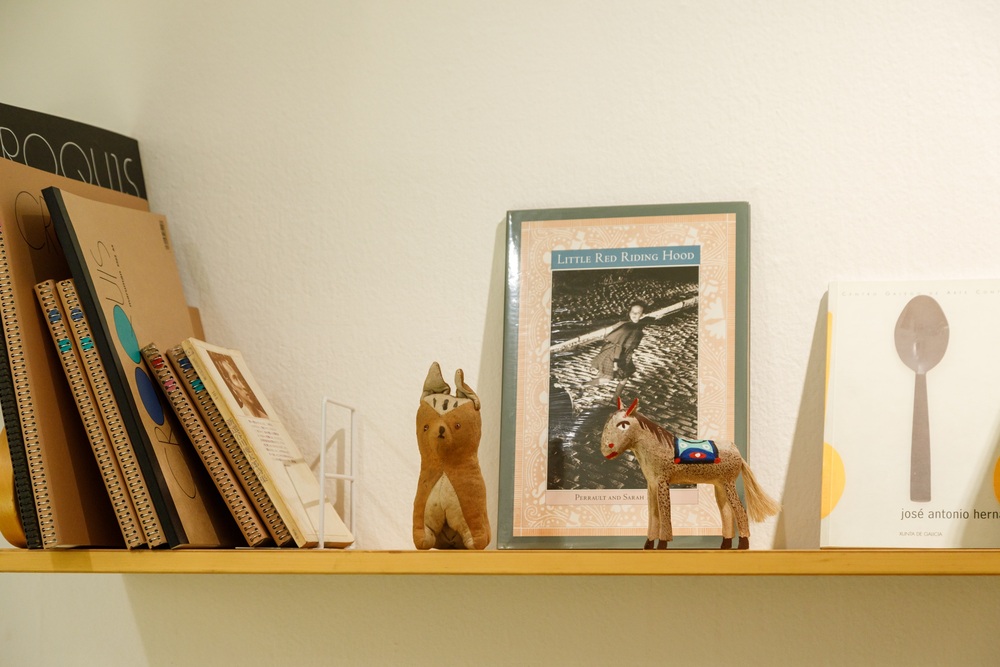
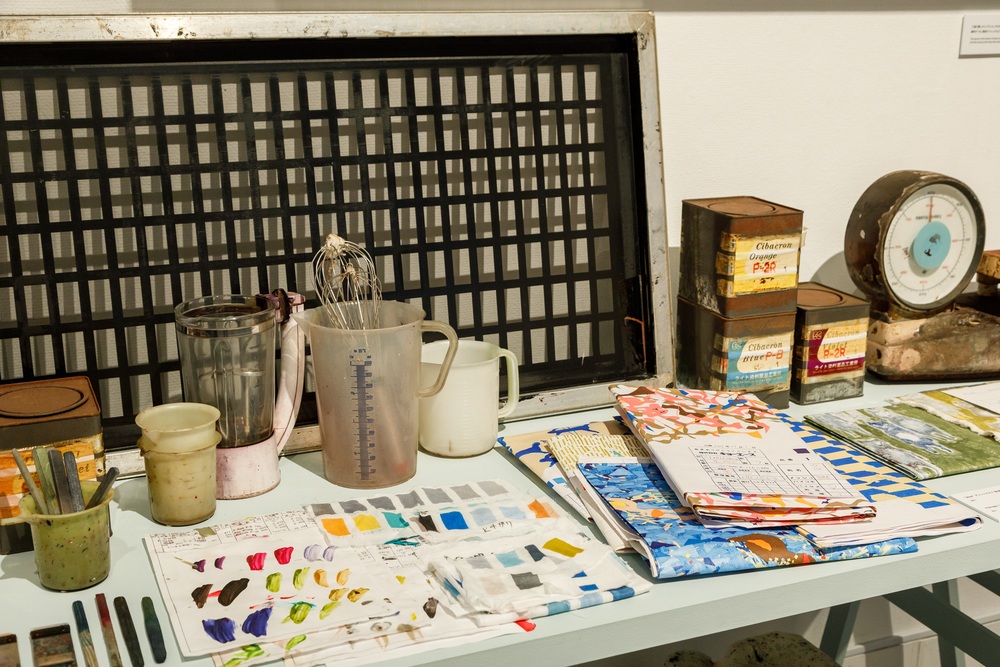
The studio’s creative atmosphere resonates with the light sounds of handcrafted work and the lively exchanges of staff in meetings. The desks of designers Akira Minagawa and Keiko Tanaka line up facing windows overlooking a large park. Experience the rich creative energy flowing through this space through the items that color their daily lives and the art materials used in their work.
ensemble
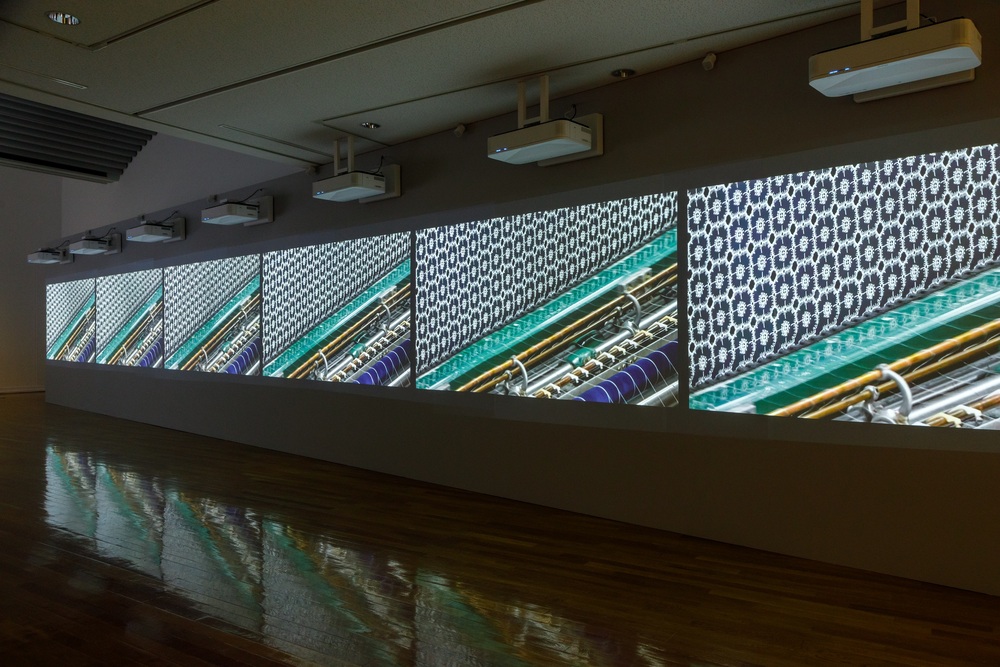
Embroidery, printing, weaving. These three core techniques at the heart of minä perhonen’s textile creation are entrusted to domestic factories with whom the brand shares a deep bond of trust. There, the factory artisans decipher the designs sketched by hand by the designers. Through repeated dialogue and trial and error with the designers, they bring these visions to life using their technical expertise.
If everything were handmade, we couldn’t deliver products to many people. Yet simple mass production struggles to convey the appeal of minä perhonen’s designs. To achieve the perfect balance between machine and handwork—reproducing the slight undulations of lines and the subtle overlaps of colors—we employ various ingenious methods. We present the collaborative landscape of minä perhonen and each factory, where machines, tools, and human passion harmonize to create an ensemble.
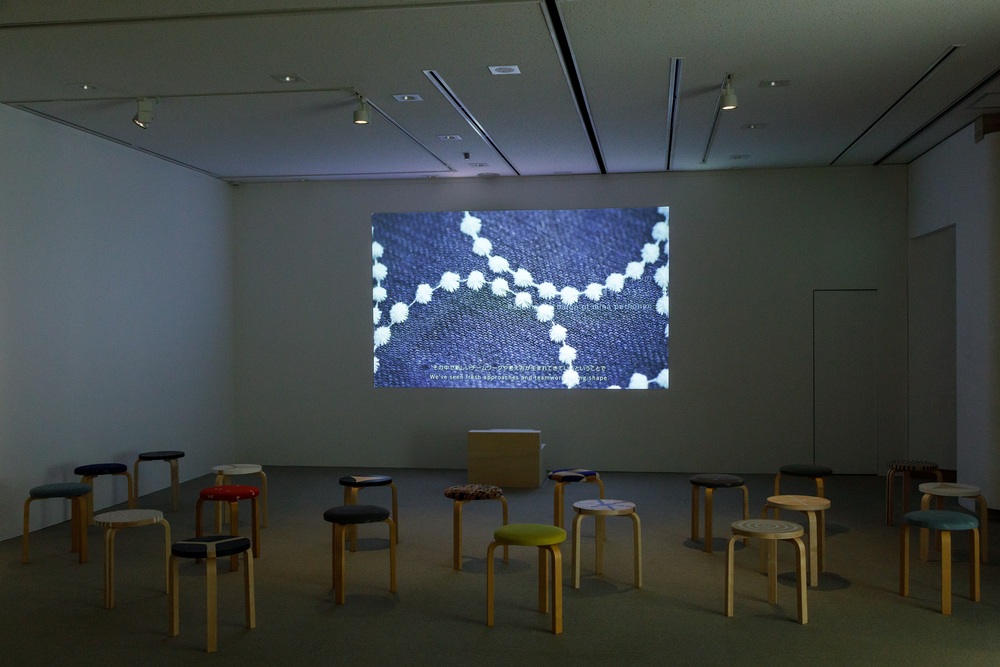
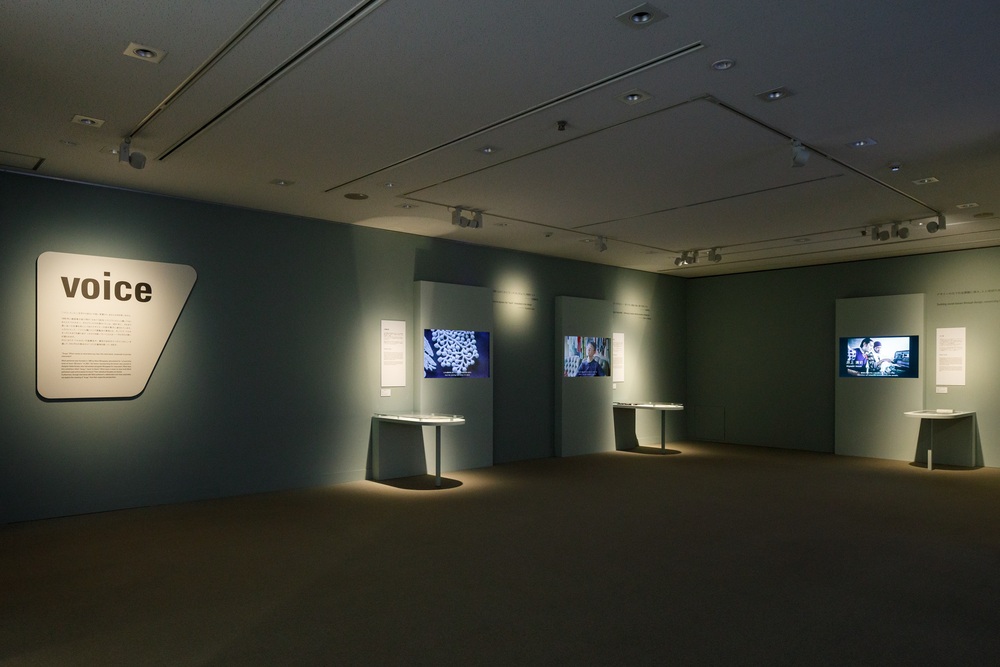
voice
“Tsugu.” What comes to mind when you hear this short word, composed of just two characters?
Minä perhonen was founded in 1995 by Akira Minagawa, who wished for “a brand that lasts at least 100 years.” In 2021, the baton representing the brand was passed to designer Keiko Tanaka, who had worked alongside Minagawa for many years. What does this exhibition titled “tsugu” mean to them? What does it mean to have built minä perhonen’s past and to weave its future? Their individual thoughts are shared.
Furthermore, through interviews with minä perhonen’s collaborators and close associates, we explore the meaning of “tsugu” from their respective perspectives.
remix
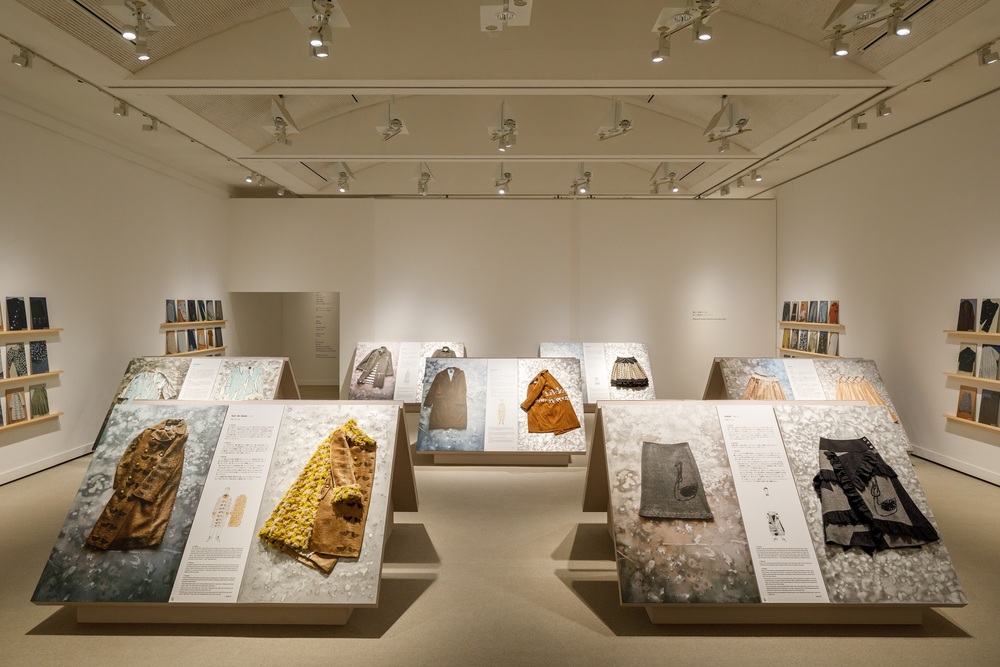
Wearing it makes you feel happy, straightens your posture, and gives you courage. Fashion has that kind of power.
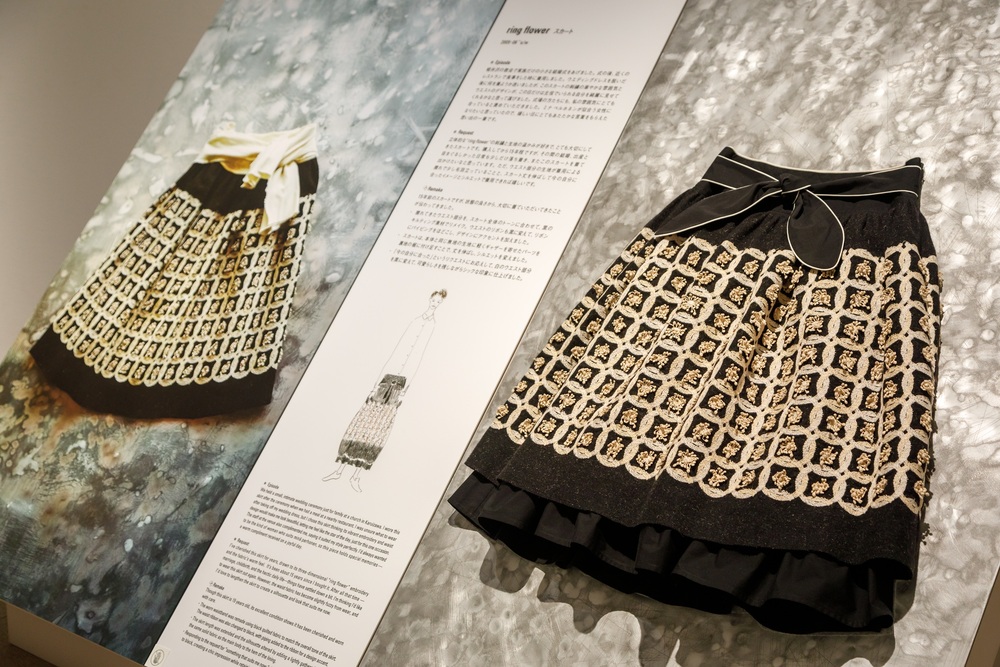
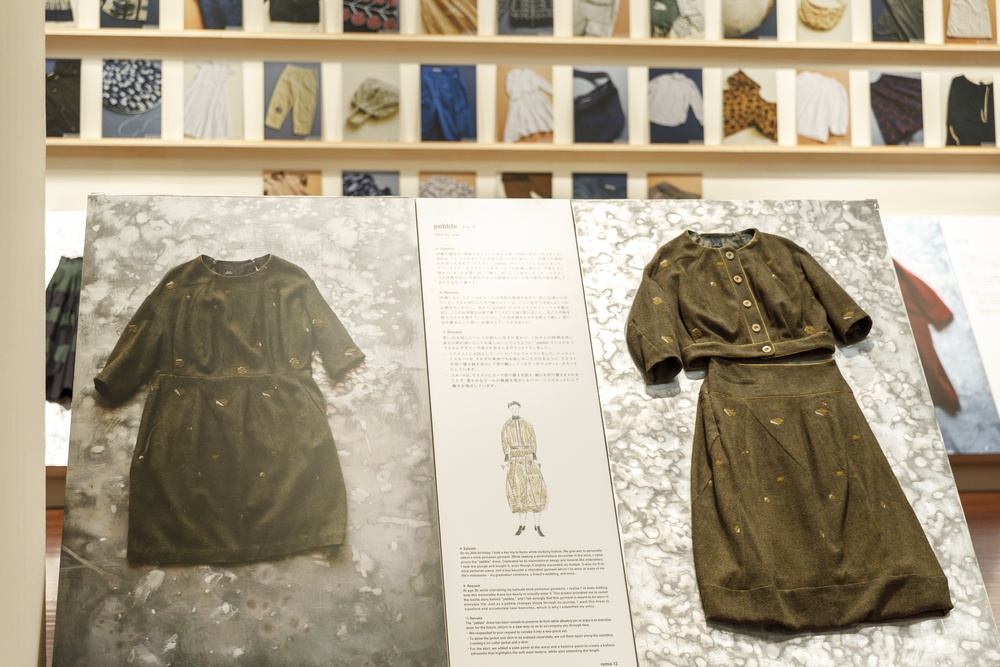
Minä perhonen has tirelessly created garments that become “special everyday wear” for the wearer. Uninfluenced by trends, they meticulously craft clothes designed to be worn across time and generations. The new textiles introduced each season are not limited to a single season either; they are repeatedly reborn as new items thereafter. Embodying design that creates cycles rather than disposability, minä perhonen has offered mending and alterations since the brand’s founding. For this exhibition, as an attempt to further develop this work, we planned a public call project to remake garments that required repair over time, adding new designs. Just as remixing a familiar song creates a new sound, this presents a unique approach to remaking, characteristic of minä perhonen, where a cherished piece becomes a one-of-a-kind, unique piece in the world.
Exhibition Information
Dates:
July 4 (Sat.), 2026 – September 6 (Sun.), 2026
Closed:
Tuesdays, Open on August 11 (Tue./Holiday)
Opening Hours:
10:00 AM – 8:00 PM (admission until 7:30 PM)
Venue:
Contemporary Art Museum, Kumamoto (Gallery I and II)
Admission:
-
- Adult:
- ¥1,500 (¥1,300)
- Seniors (65 and over):
- ¥1,200 (¥1,000)
- Students (the high school students and over):
- ¥800 (¥600)
- Junior high school students and under:
- Free
*The admission given in parentheses are for advance tickets / group (20 or more) / with one-day ticket for tram or bus, etc.
*Advance tickets will be on sales until July 3 (Fri.)
*Persons presenting various disability certificates (Physical Disability Certificate, Medical Rehabilitation Handbook, Mental Disability Certificate, Atomic Bomb Survivor's Certificate, etc.) and one accompanying person are free of charge.
*Persons presenting a Welcome Passport are free of charge.
Ticket Sales:
Contemporary Art Museum, Kumamoto, Seven Ticket [Seven Code: 115-758], Lawson Ticket [L Code: 84443]
Organizer:
Contemporary Art Museum, Kumamoto (Kumamoto City and Kumamoto Art and Culture Promotion Foundation), The Kumamoto Daily News, The Asahi Shimbun
Support:
Kumamoto Prefecture, Kumamoto Prefectural Board of Education, Kumamoto City Board of Education, Kumamoto Ken Bunka Kyokai (Cultural Association of Kumamoto), Kumamoto Ken Bijutsuka Renmei (Artist's Union of Kumamoto), Kumamoto International Convention and Tourism Bureau, J:COM Marketing, FMK, FM791
-
Sponsorship:
-
Higo Bank
Official Website:
-
Grant:
-

session
What is "session"?
People meet people, and people encounter things.
Skills handed down through generations encounter new ways of seeing, and each resonates with the other.
"session" captures the moment when this resonance gives rise to an unexpected creation.
Wherever the TSUGU exhibition travels, minä perhonen draws inspiration from the things each place has long valued and the sentiments passed down through generations, weaving them into its designs, adding new value, and passing them on to the future.
Kumamoto's Traditional Crafts + minä perhonen
Click here for details.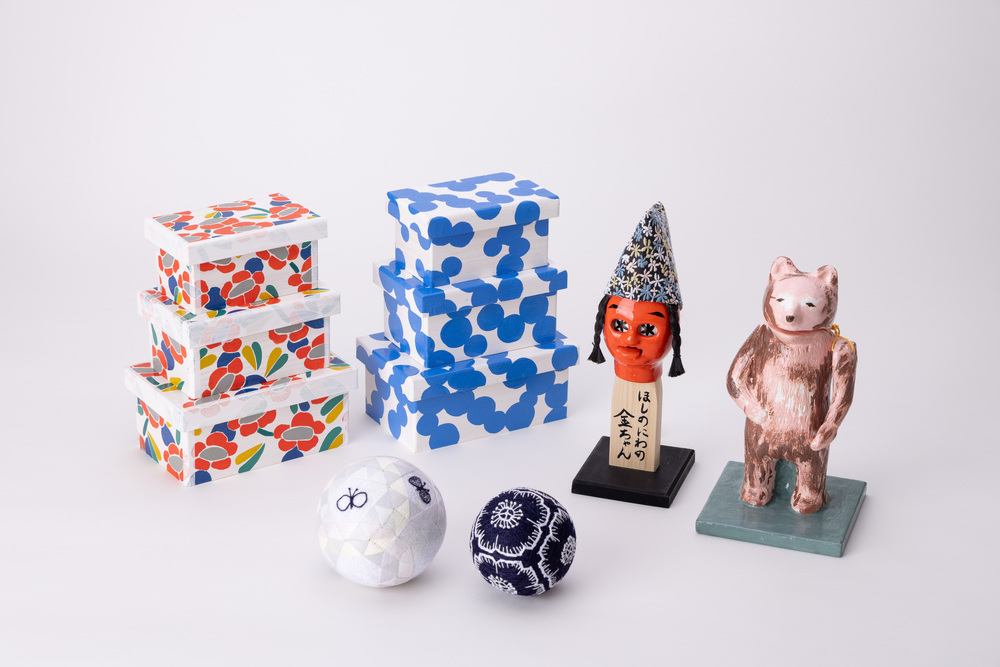
Kumamoto's traditional crafts, with more than 100 years of history, entered into a sustained dialogue with minä perhonen's approach to making things.
Obake no Kinta ("Kinta the Ghost," a mechanical trick doll) and Karakuri Eto Ningyo (mechanical Chinese zodiac dolls) possess the power to bring people joy and raise an involuntary smile.
Higo Temari (embroidered thread balls) are made with someone special in mind, a wish worked into every stitch.
Hanatebako are boxes that hold treasured belongings and grow ever more meaningful over time.
The skills, memories, and attentiveness to daily life inherited through each of these traditions resonate deeply with minä perhonen's longstanding belief in connecting things and passing them on.
Tradition does not mean preserving something unchanged forever: it means handing it down to the future through new encounters.
Through "session," you can experience the dialogue, resonance, and creative process that unfolded here.
Obake no Kinta
Artisan: Shinhachiro Atsuga (Atsuga Ningyoten / Atsuga Doll Store)
-
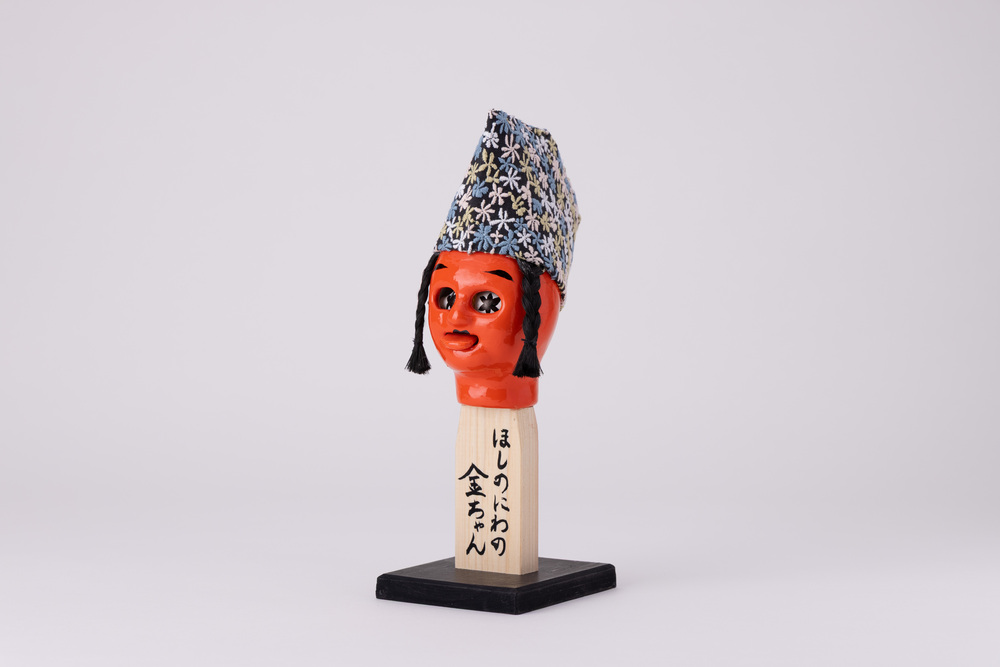
Star Garden Kin-chan (2026) -
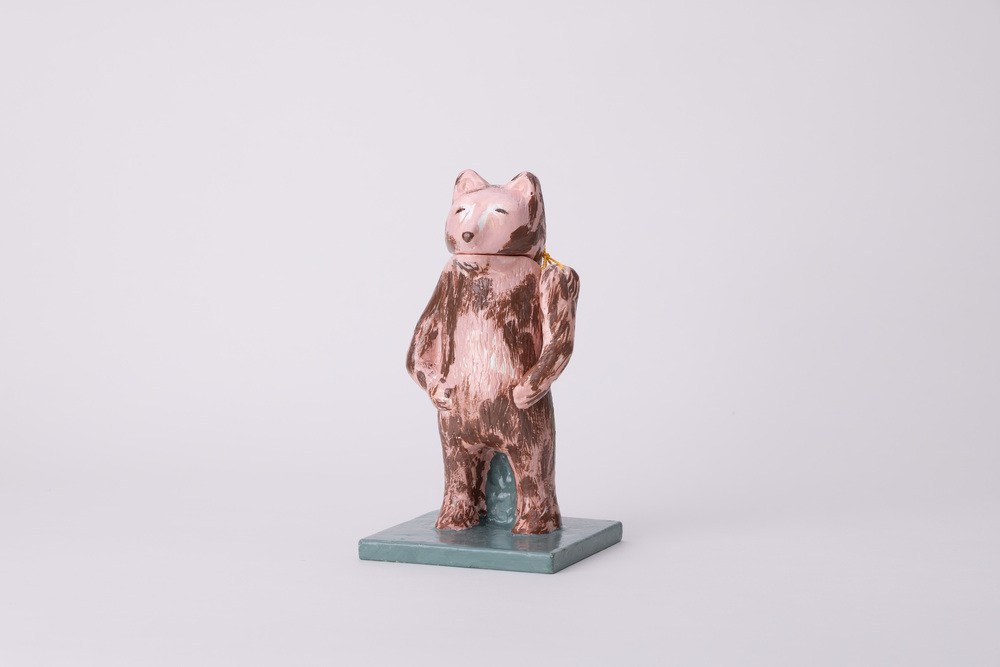
Karakuri Sebasu-chan (2026)
Higo Temari balls
Artisan: Michiko Tsuruta (Higo Temari Dokokai / Higo Temari Society)
-
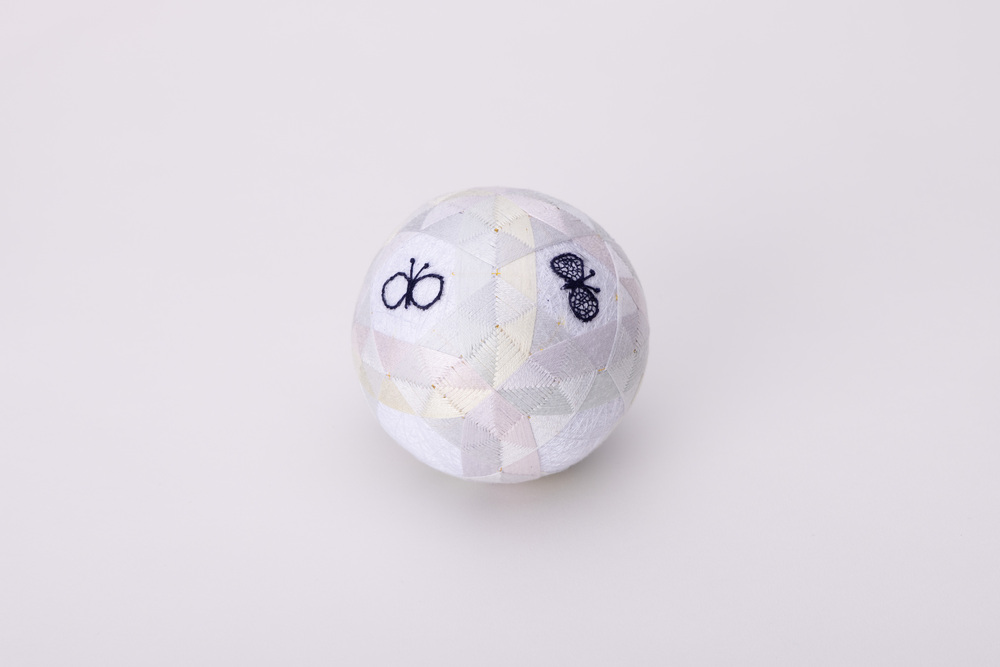
Higo Temari ball + "choucho" (2026) -
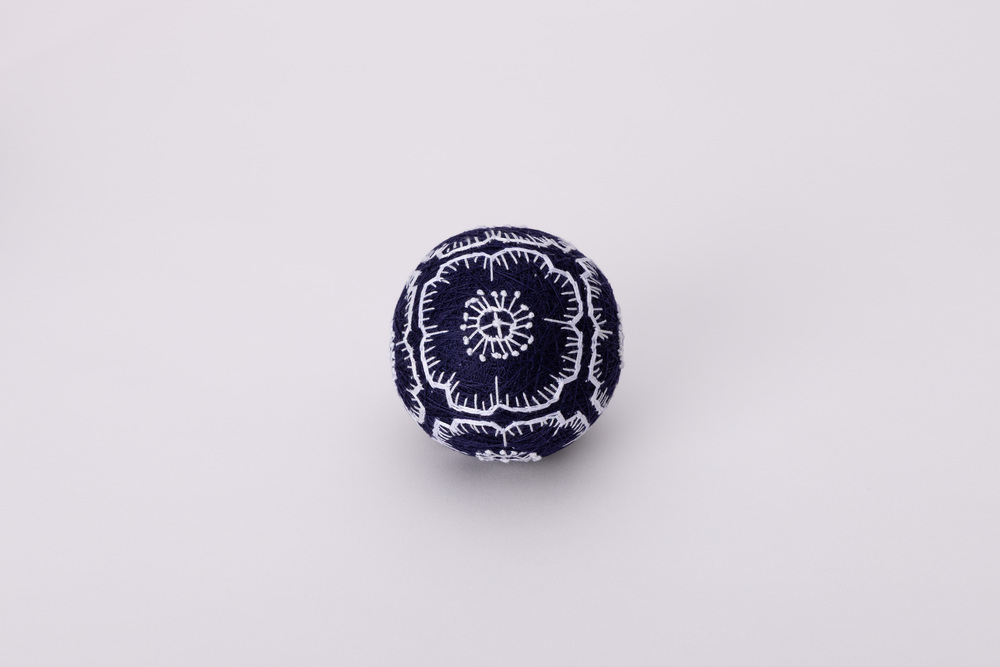
Higo Temari ball + "anemone" (2026)
Hanatebako
Artisan: Takayuki Sumioka (Sumioka Kyodo Gangu Seisakusho / Sumioka Local Toy Factory)
-
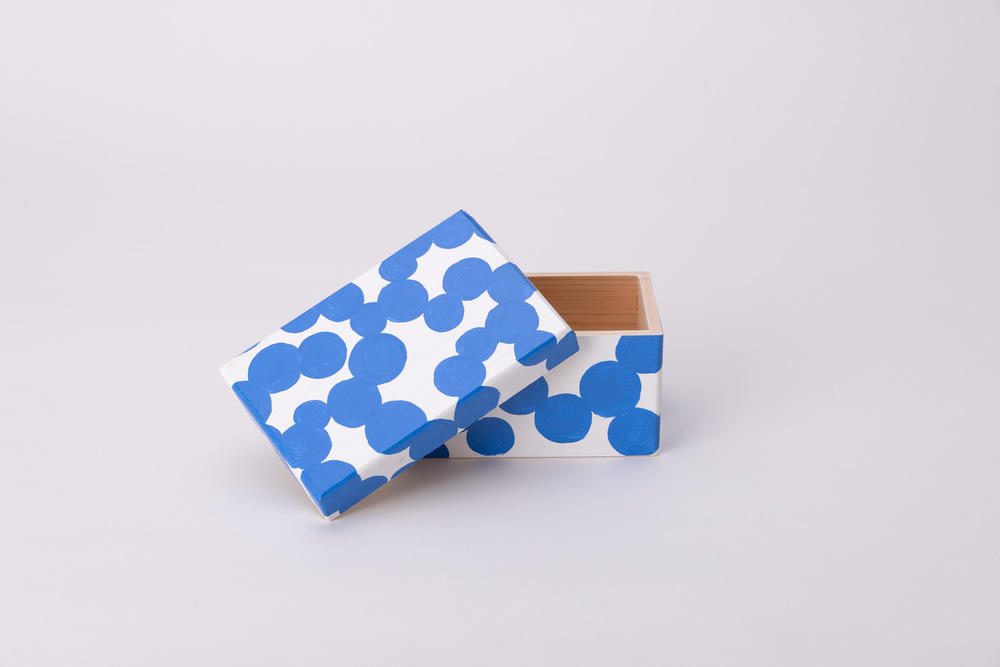
Hanatebako + "soda water" (2026) -
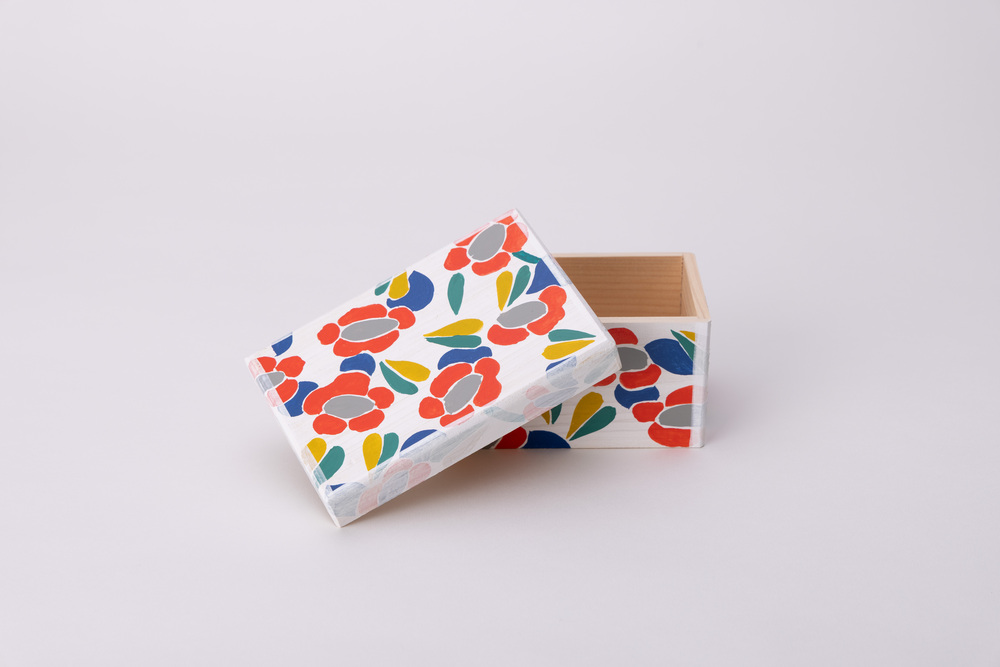
Hanatebako + "flowerscope" (2026)
Photo:Masami Miyai
Machinaka Kosodate Hiroba (Kids Salon)
The Contemporary Art Museum, Kumamoto includes the Machinaka Kosodate Hiroba (Kids Salon).
During the exhibition, the plaza offers a space where children can play freely with minä perhonen stuffed toys, building blocks, and picture books, while parents and children can enjoy spending time together and engaging with fabrics firsthand.
The parent-and-child plaza is based on the concept of "Parenting × Art × Interaction," while TSUGU: minä perhonen is rooted in the idea of passing what matters from one person to another and into the future.
We hope that the time parents and children spend together here will lead to new encounters and spark new conversations.
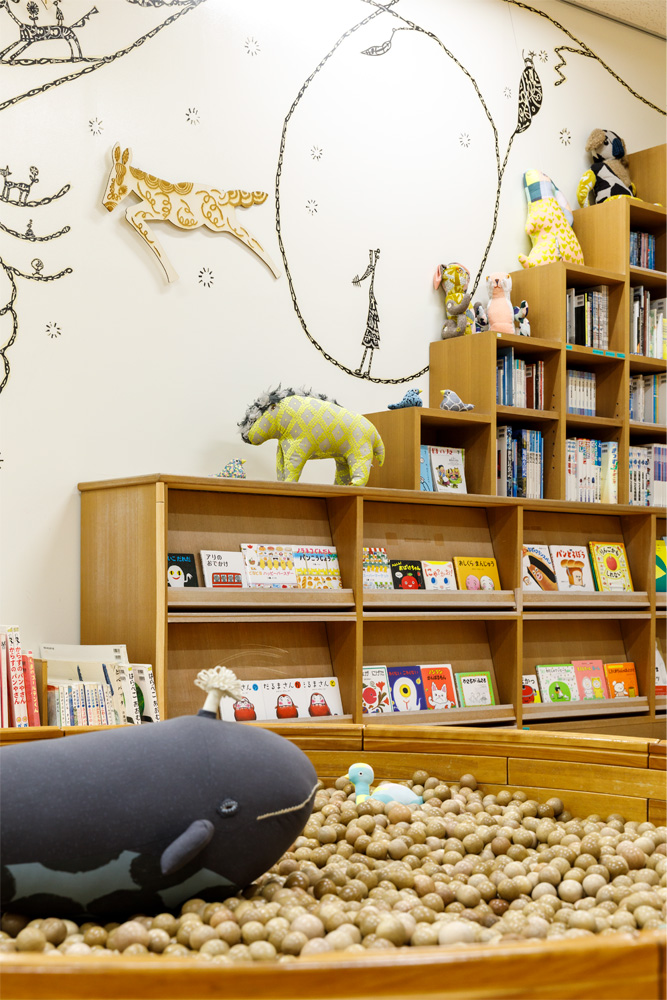
Photo:Manami Takahashi
Live Painting
A mural by Akira Minagawa, One day long ago in the future. is on view at the Contemporary Art Museum, Kumamoto.
Painted in acrylic gouache with bold, sweeping brushstrokes of various sizes, the mural reveals, when viewed up close, the many layers of color and traces of the artist's hand.
Created during a live public painting session held before the exhibition opened, this is the first face-in-hole panel Minagawa has ever produced. It stands in the shared space near the entrance to the venue, where anyone can interact with the work, and enjoy the experience.
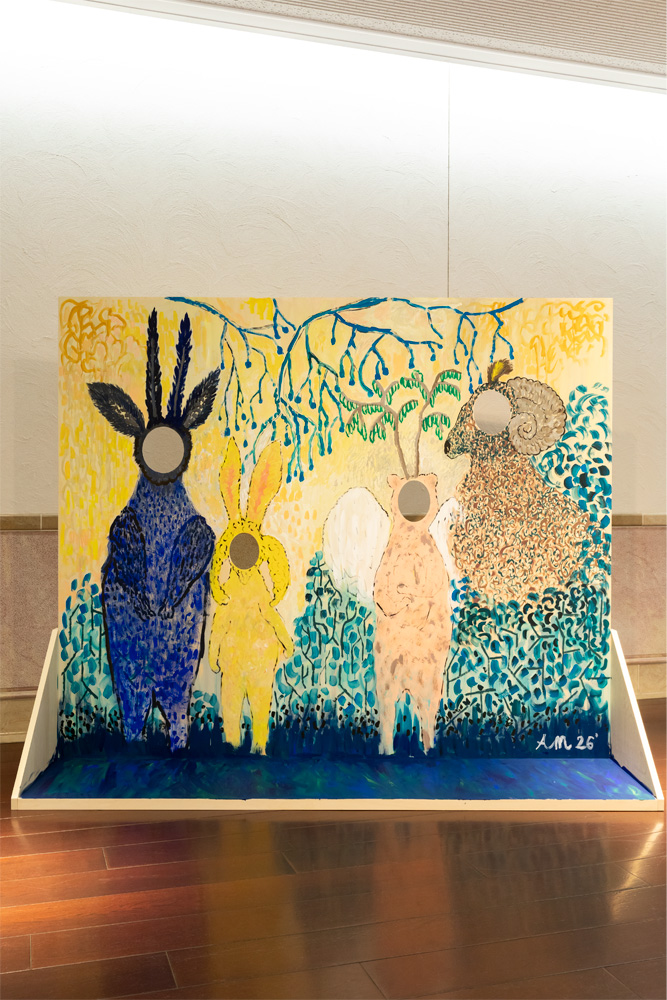
Photo:Manami Takahashi